I’ve spent twelve years walking around warehouse floors, food processing plants, and cold-storage facilities. If I had a pound for every time a site manager asked me to "just slap some paint on there" and keep the forklifts running, I’d be retired in the Maldives. But that’s not how the real world works. You see, the biggest mistake people make is looking at a floor on handover day—shiny, clean, and perfectly cured—rather than asking: what does this floor look like on a wet Monday morning at 6:00 AM?
When you have a fully operational facility, downtime is the enemy of profit. But treating flooring as "decor" instead of vital infrastructure is the enemy of your bottom line. If you’re considering phased installation zones, let’s get into the nitty-gritty of how to do it without turning your facility into a health and safety nightmare.
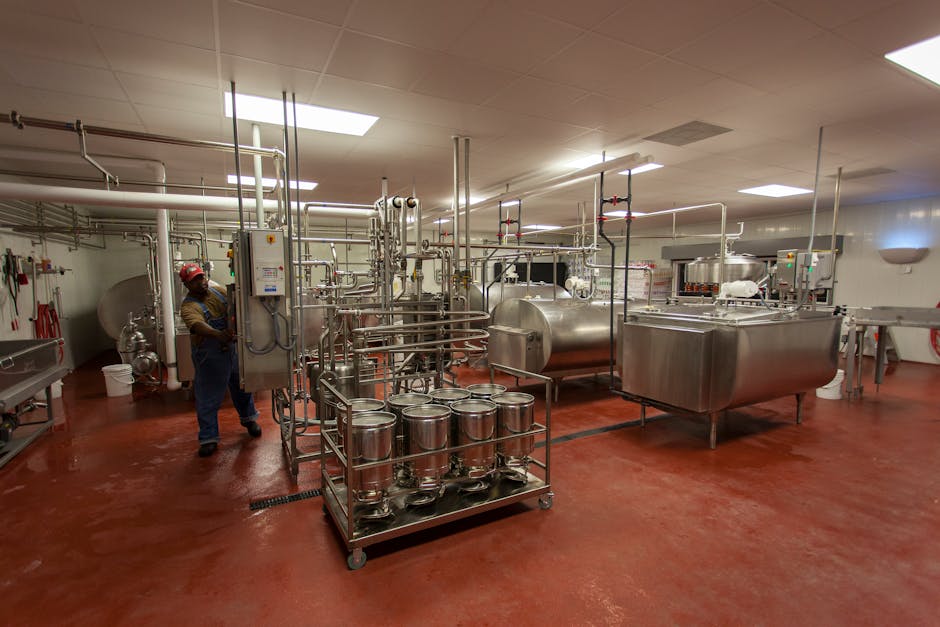
Infrastructure, Not Decor
Let’s be clear: a warehouse floor is a working machine. It takes the punishment of pallet truck wheels, chemical spills, and the endless vibration of heavy racking. If you define your requirements as "heavy duty," you haven't told me anything. I need to know the thickness in millimetres, the specific slip resistance requirements (PTV), and the preparation method. Without that, you’re just guessing, and guesses in industrial flooring lead to expensive failures.
If you need expert guidance on how to spec these systems properly, firms like evoresinflooring.co.uk understand that this is engineering, not chemical resistant warehouse floor just painting a floor. Similarly, if you are looking at wider facility refurbishments, companies like kentplasterers.co.uk often bridge the gap between general building works and the technical requirements needed to support high-performance flooring installs.
The Four Pillars of Flooring Specs
Before we talk about scheduling, we have to talk about physics. You cannot define a floor specification without answering these four questions:
- Load: Static loads from racking are one thing; dynamic, point-loaded forklift wheels are another. What is the PSI (pounds per square inch)? Wear: Is this pedestrian footfall, or are we talking about steel-wheeled reach trucks dragging grit across the surface? Chemicals: What is hitting the floor? If it’s lactic acid in a dairy unit or hydraulic oil in a warehouse, your system choice changes entirely. Slip Resistance: This is where most people fail. Do not talk to me about slip resistance when the floor is dry. I want to know the Pendulum Test Value (PTV) under wet conditions. If your floor doesn't meet the HSE requirements for the environment it’s in, you are one spill away from a lawsuit.
The Phased Installation Reality
Can you install in phased installation zones? Yes. Should you try to do it while your team is operating heavy machinery three metres away? Only if you want to invite disaster. Phased work requires clear delineation, airtight dust control, and a rigorous approach to surface preparation.

Surface Preparation: The Make or Break
I’ve seen too many quotes that give a "top-level" price only to "discover" that the substrate is soft or contaminated, leading to massive variations halfway through a project. That’s unprofessional. Before you even think about laying a system, you have to talk about prep:
Method Best Used For Note Shot-blasting Deep cleaning and opening the pores of old concrete for maximum bond. Generates dust; requires industrial extraction. Grinding Removing coatings, levelling high spots, and smoothing joints. Essential for precise transitions between zones.And for heaven’s sake, never skip the moisture test. If your subfloor has a high moisture content and you seal it up with an impervious resin, you’re just building a blister. It will fail. It’s not a matter of if, but when.
Choosing the Right System for Live Operations
When you are working in phases, you need systems that minimise downtime. Here is how they stack up:
1. MMA (Methyl Methacrylate) Fast Cure
This is the gold standard for high-speed turnarounds. MMA fast cure systems can be fully cured and trafficked within two to four hours of application. It’s fantastic for cold stores or busy logistics hubs, but it does carry a sharp chemical smell during installation, which you need to account for regarding air handling.
2. PVC Tiles (Immediate Traffic)
If the subfloor is Go here too poor for resin, or if you need an absolute zero-downtime solution, PVC tiles immediate traffic solutions are your best bet. They are essentially a "floating floor" that can be laid down during a shift change. You don't need the same chemical curing time, and you can partition a zone, lay them, and roll a forklift over them as soon as the last tile clicks into place.
3. Epoxy/Polyurethane
These are robust, but they have a longer cure time. If you use these in a phased install, you’re looking at significant "dead time" between zones. They are excellent for chemical resistance, but they aren't the answer if you need the floor back in action by tomorrow morning.
Compliance and Standards
In the UK, we follow BS 8204. This is the code of practice for in-situ flooring. It covers everything from the quality of the base to the tolerances of the finished surface. If your estimator isn't mentioning BS 8204 or how they plan to verify PTV ratings on-site, ask them why.
Compliance isn't just about passing an audit; it's about making sure that when your warehouse operative turns a corner on a rainy Monday, they don't slide into the racking. Slip resistance is a safety-critical item. I don't care what the brochure says—I care about the PTV test results from a site-specific assessment.
The Veteran’s Checklist for Phased Refurbs
If you’re moving forward with a phased project, here is my advice to ensure it doesn't turn into a nightmare:
Get the Moisture Test Done Early: If the concrete is damp, no resin will save you. Deal with it before the work begins. Defined Boundaries: Use physical barriers for dust and debris. If you are shot-blasting in one bay, you need to ensure the dust isn't migrating into your electronics or food processing areas. Transition Joints: When moving between phases, the joint between the "old" and "new" floor is the point of failure. Plan your saw-cuts and expansion joints carefully. Avoid the "Variation" Trap: Ensure the scope of work includes the preparation method (shot-blasting or grinding). If the contractor refuses to visit the site to check the substrate, find another contractor. Think About the Monday Morning: If the floor looks pretty on Friday but starts peeling on Monday because the subfloor prep was rushed to meet a deadline, it wasn't a "fast" install—it was a wasted investment.Final Thoughts
Phased installation is entirely possible if you have a plan and the right materials. Whether you opt for the rapid-fire chemical properties of MMA fast cure or the instant-fix nature of PVC tiles immediate traffic, you have to align your choice with your site's operational reality.
Infrastructure is about durability and safety. If you treat your floor with the respect it deserves—proper prep, valid testing, and a system chosen for its performance, not its price tag—it will last. If you treat it like a cheap paint job, prepare for the repair bill to arrive sooner than you’d like. Keep your head down, keep the moisture levels in check, and for goodness sake, make sure you know your PTV ratings before you sign on the dotted line.