I’ve spent the better part of 12 years behind a counter here in Gauteng, and if there is one thing I’ve learned, it’s that a man’s confidence usually outweighs his tool shed. Every weekend, I see guys coming in, ready to tackle a driveway, a garden wall, or a full-blown reno. They want to buy everything. But before we even look at a catalog, I have to ask: What are you driving, and what can your bakkie actually tow? Because lugging a professional-grade compactor home is a lot different than tossing a drill in the boot of a hatchback.
There is a massive difference between the tools you pick up off the shelf at a big-box store and the equipment we rent out at places like Wenbro Hire. Let’s break down the reality of DIY vs. pro equipment so you don’t end up with a garage full of dust-collectors and a sore back.
The True Cost of Ownership: It’s Not Just the Price Tag
People look at a price tag and think, "Well, if I buy this breaker, I save money in the long run." home-dzine.co.za Listen, unless you are a contractor running a site every single day, that tool is going to spend 99% of its life collecting cobwebs in your garage. You aren't just paying for the plastic and steel; you’re paying for maintenance, storage, and the inevitable moment it fails because it wasn't built for the abuse of a Gauteng construction site.. But here's the catch:

Professional-grade tools are engineered to meet strict safety and performance benchmarks—often aligned with the South African Bureau of Standards (SABS). They are built to take a beating. When you hire, you’re paying for the usage, not the burden of ownership.
Feature DIY Tool Pro-Grade Hire Durability Lightweight, plastic-heavy Heavy-duty steel, reinforced Maintenance Your problem Handled by the hire shop Performance Slow, prone to overheating High output, consistent Storage Takes up your floor space Gone when you're doneBreaking Down Your Project Stages
I remember a project where made a mistake that cost them thousands.. I don't care how "handy" you are; if you use the wrong tool for the stage of your project, you're just making work for yourself. Here is how I usually group jobs when customers come in:
Phase 1: Demolition
This is where I hear it the most: "I need to rent a jackhammer." Please, let's get the terminology right. It’s a breaker. A jackhammer is for the big roadworks crews. If you hire a DIY-grade breaker to break up an old driveway, you’ll be there for three weeks, and you’ll vibrate your teeth loose in the process. Professional breakers have vibration-dampening tech that saves your joints.
Phase 2: Prep and Groundwork
If you’re laying paving, don’t even think about tamping the sand down with a piece of wood. You need a compactor. I’ve seen guys try to use a DIY tamper, and six months later, their paving is sinking like a ship in a storm. Hire a pro-grade compactor. It’s heavy, it’s powerful, and it does the job in minutes, not hours.
Phase 3: The Finish
Sometimes you need precision, and for the finish, maybe that’s where buying a decent quality drill or sander makes sense. But for the heavy lifting? Always hire.
The "Pay-for-Time" Advantage
Time is the one thing you can’t get back. Professional tools are designed to shorten the gap between "starting the job" and "opening a cold one."
- Reduced Physical Strain: Pro tools are ergonomically balanced. You aren't fighting the machine; you're guiding it. Faster Completion: A pro-grade compactor covers more ground with better compaction density in a single pass. Reliability: We service our gear every time it comes back. If you buy a cheap tool, you’re the one servicing it when it breaks mid-project on a Saturday afternoon.
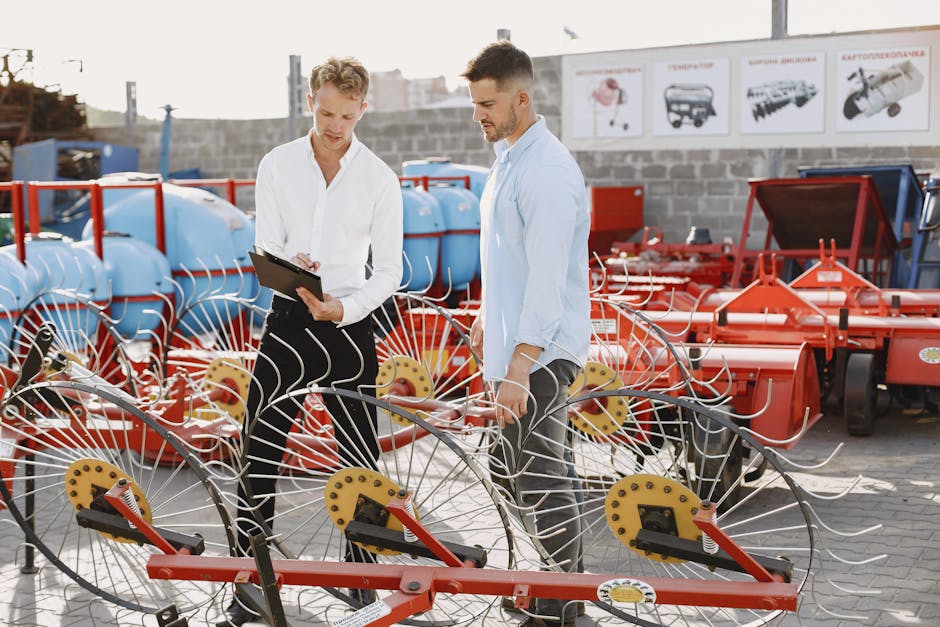
Image Credits: Thanks to the folks at Freepik for providing visuals that help illustrate just how much gear goes into a proper build.
The "Counter" Warning: Why I Insist on a Walkthrough
This is what really annoys me. A guy comes in, grabs a piece of machinery, throws it in his trailer, and says, "I know how this works, I've seen it on YouTube."
Stop.
Every piece of machinery has a quirk. The throttle sensitivity on a compactor, the locking mechanism on a breaker—these things vary by model and manufacturer. If you don't let me give you the five-minute operating walkthrough, you are going to call me in two hours asking why the machine won't start or, worse, you’re going to get hurt. Taking that walkthrough is part of the professional-grade experience. We want you to finish the job safely.
Final Thoughts: Invest in Your Time, Not Your Shed
Ever notice how look, i love diy. There’s nothing like the satisfaction of a job done well. But there is a huge difference between being a "do-it-yourselfer" and being a "do-it-all-by-myself-with-cheap-tools-er."
If you're planning your next big project in Gauteng, sit down and map out your stages. Identify where you need raw power and professional reliability. Call up a pro hire outlet, check if your bakkie can handle the weight, and come get the right machine for the job. You’ll get better results, save your back, and have your Sunday afternoon back for a braai instead of wrestling with a seized-up, cheap machine.
See you at the counter—and make sure you know what you’re towing!