Hi there! If you’re reading this, you’ve probably spent wasps behind shutters the last ten minutes staring nervously at a mud dauber buzzing near your siding or watching a yellowjacket dart behind a loose shutter. I’ve been the office manager and head scheduler here in Connecticut for years, and I’ve heard it all. The most common question I get when a homeowner calls in a panic? "If I sign up for a routine perimeter spray, will that actually prevent hive formation?"
Before we even talk about pricing or service plans, I need you to answer one question: Where exactly are you seeing the traffic? Knowing if you have a few stragglers or a steady stream of insects going into a specific crack in your siding changes everything.
Let's clear the air: most DIY advice online is fluff. People love to say "just spray it," but if you spray the wrong thing in the wrong place, you aren't preventing anything—you’re just making the colony angry. Let’s break down what actually works.
Routine Perimeter Sprays: The Reality Check
A routine perimeter spray is a great maintenance tool, but it isn’t a magical force field. Think of it as a defensive barrier, not a permanent exclusion device. Professional pest control companies use residual treatments—these are liquids designed to stay active on surfaces for weeks. They discourage wasps from landing on your eaves or doorframes to start a new nest.
However, if a queen has already decided your attic vent is the perfect real estate, a perimeter spray won't stop her from moving in. That is why timing is everything.
Common Nesting Spots to Watch
If you’re worried about activity, check these areas once a week:

- Wall Voids: The most dangerous spot. If you see them entering a hole in your siding, do not plug that hole. You will trap them inside your walls, and they will chew their way into your living room. Shutters: The gap between your shutters and the house is a five-star hotel for wasps. Deck Undersides: Especially where the ledger board meets the house. Soffits and Eaves: The high corners near your roofline are prime real estate.
The "It's a Bee!" Fallacy
I hear this ten times a day: "I have a massive bee nest, come save them!" When I get a tech out there, it’s almost always yellowjackets or bald-faced hornets. It drives me crazy because the treatment strategies are entirely different. Honey bees are protected, and companies like Mega Bee Pest Control (Mega Bee Rescues) specialize in relocating them safely. But if you have yellowjackets, you don't need a rescue—you need an effective, professional intervention.
If you aren't sure what you're looking at, use this table to help identify your visitors:
Insect Aggression Level Typical Nest Type Honey Bee Low (unless provoked) Large, waxy hives (often in trees or walls) Yellowjacket High Paper nests (often in ground or wall voids) Bald-Faced Hornet Very High Large, hanging "football" nests Mud Dauber Low Small, mud tubes on wallsWhy Mid-to-Late Summer is a Nightmare
In Connecticut, the wasp calendar is predictable. Early spring is when queens are alone, looking for a spot to start a colony. This is the only time a wasp deterrent treatment is truly preventative. By mid-to-late summer (July and August), those tiny colonies have exploded. They are no longer looking to build; they are looking to protect. They are irritable, hungry, and territorial. Spraying a massive, established nest in August with a consumer-grade aerosol is a recipe for a trip to the urgent care.
Ground Nests: The "Lawn Mower" Risk
Ground nests are the silent killers of summer yard work. Yellowjackets love old rodent burrows. You might be mowing your lawn, completely unaware of a colony of 5,000 wasps just beneath the sod. The vibration of the mower triggers an immediate, aggressive defense response. If you notice a high volume of traffic in a specific patch of your lawn, stop mowing immediately and call a professional. This is not the time for a DIY approach.
How Professionals Handle It
When you hire a pro, like the team at Bee Smart Pest Control, we aren't just walking around spraying the foundation. We are looking for entry points. We use fast-acting materials that neutralize the immediate threat, followed by the longer-lasting residual treatments to ensure the colony is fully eliminated.
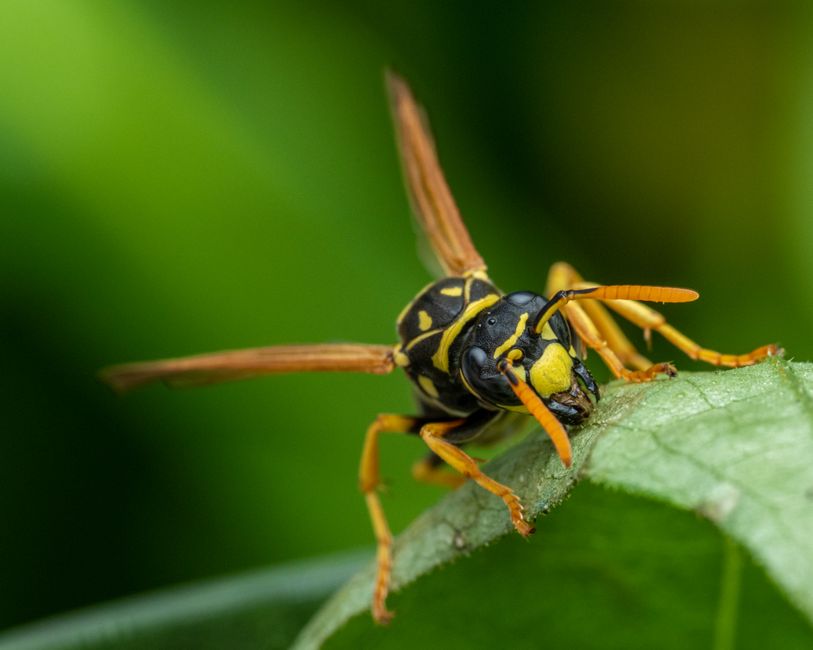
Three Golden Rules for Homeowners:
Don't seal it until it's dead: Never caulk or foam a hole until you are 100% sure the nest inside is gone. Watch the flight patterns: If they are hovering near your house, they are likely nesting in or on it. Stay out of the "Strike Zone": If you are allergic, do not play hero. Call a pro immediately.Final Thoughts
get bee control quoteDo routine sprays prevent wasp nests? Yes, when applied correctly in the early season, they act as a fantastic deterrent. But they aren't a guarantee against nature. If you’re seeing activity, stop guessing, stop buying hardware store sprays, and give us a call. Tell me exactly where you see the traffic, and we’ll get it sorted out so you can enjoy your backyard again.