The dining table is often the heart of the home—a gathering place where meals, celebrations, and conversations unfold. Choosing the right dining table color isn't just about aesthetics; it influences the room’s flow, mood, and practical daily use. With the variety of wood tones and materials available, how do you pick a dining table color that harmonizes beautifully with your floors? This in-depth guide, informed by expert design insights from brands like Bandpass Design and publications such as Architectural Digest, will walk you through key considerations, from wood tone matching floors to mixing wood tones creatively for a vibrant dining space.
Why Your Dining Table Color Matters More Than You Think
Before diving into color and material choices, it's important to appreciate how the dining table functions in your space. It’s not a static piece but a focal point that affects traffic flow and people’s movements around it. Whether you have a rectangular, round, or oval table, the shape and edges—such as rounded versus square legs—affect how easily people circulate without bumping knees or snagging pockets. As someone who stages dining rooms, I always take mental notes of “things that snag pockets or knees,” which usually come down to sharp edges or inconvenient leg placements.
Your floors create the foundational backdrop for your dining table’s color story. Matching or contrasting wood tones are both viable options, but the key is achieving balance that suits your room’s proportions and traffic patterns.
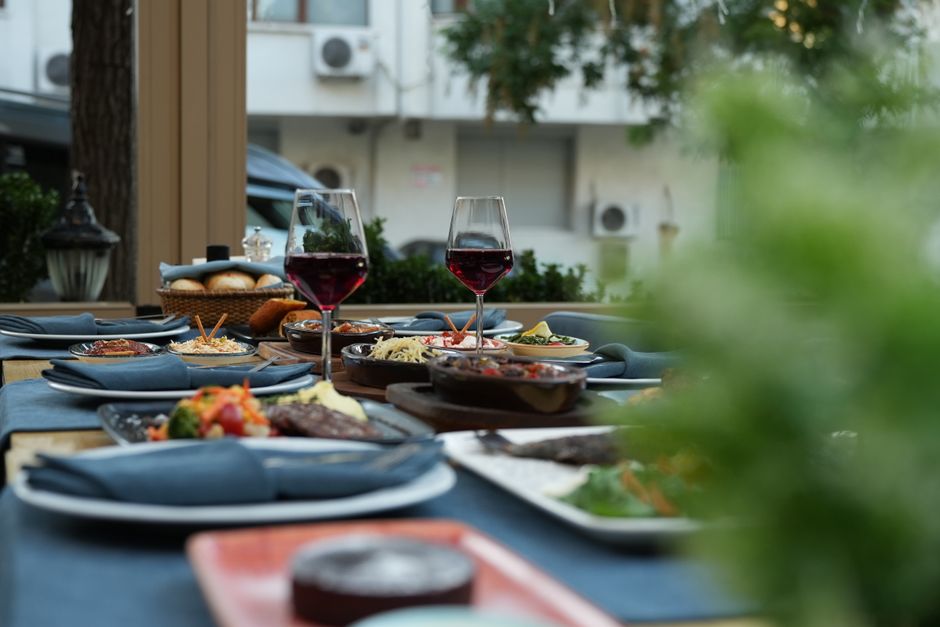
Room Proportions and Circulation: The Practical Side of Dining Tables
Imagine guests maneuvering around your table during a dinner party. If the table is too large or the shape inconvenient, it can cause congestion. Conversely, a too-small table may underwhelm the room and disrupt the flow.
- Measure everything: Before choosing a dining table color or shape, ensure you have actual measurements of your room, including floor dimensions and clearance space—ideally 36 inches around the table for comfortable circulation. Consider people movement: Rectangular tables offer ample seating along straight edges but may restrict foot movement near legs. Round and oval tables create softer edges that generally improve circulation but can feel less formal in certain rooms. Leg shape and placement: Tables with pedestal bases or angled legs might give you more legroom and fewer snag hazards than those with traditional corner legs.
Shape Choice: Rectangular vs. Round vs. Oval Dining Tables
Table Shape Best For Circulation Considerations Style Notes Rectangular Long, narrow dining rooms or larger seating needs Needs adequate clearance to avoid crowding at ends Classic, formal, versatile—often with sharp edges Round Small to medium rooms, promotes conversation Conducive to smooth circulation, no corners to navigate Relaxed, intimate, softens space Oval Similar to round but more seating, elongates space Good circulation, combines length of rectangular with softness of round Elegant, blends traditional and modernThe table shape decision indirectly impacts color choices because large tables with light colors can open up a narrow space, whereas darker tables may anchor a spacious room.
Dining Table Color Tips: Wood Tone Matching Floors and Mixing Wood Tones
When it comes to choosing your dining table’s wood tone, two rectangular table vs round popular approaches emerge:
Matching Wood Tones: This traditional approach creates a cohesive, calming effect. For example, if you have oak floors with honey undertones, a honey oak dining table enhances subtle beauty without visual conflict. However, be cautious about "matchy-matchy" to the point of monotony; slight variations in finish or edge profile can add depth. Mixing Wood Tones: Thoughtfully mixing wood tones brings vibrant texture and interest to your dining area. For instance, pairing walnut floors with a lighter maple or cherry dining table introduces contrast, preventing the room from feeling flat. The key is ensuring the undertones complement each other — warm undertones with warm, cool with cool.Bandpass Design often illustrates this principle brilliantly in their projects, showcasing layered wood tones combined with soft metals or natural fibers for warmth and tactile appeal.
Four Tips for Successful Wood Tone Pairing
- Start with undertones: Identify if your floors have warm (red, orange, yellow) or cool (blue, gray) undertones. Test samples: Always view wood stain samples directly on your flooring under natural light to check harmony. Consider room lighting: Areas with ample windows can accommodate darker tables, while dimmer spaces benefit from lighter colors. Mix textures: Combining a matte wooden table with reclaimed wood floors or glossy finish with matte floors creates pleasing contrast beyond just color.
Materials That Add Warmth and Texture to Your Dining Table
While wood remains the most popular dining table material, consider how different finishes and materials affect the warmth and feeling of your space:
- Solid wood: Classic and durable, solid woods like walnut, maple, and oak offer inherent warmth and character. Their grain pattern adds texture that complements varied flooring. Mixed materials: Tables featuring wood tops with metal or iron bases are trendy yet timeless, balancing warmth and industrial edge without creating showroom sterility. Reclaimed wood: This sustainable choice provides a lived-in texture, pairing well with natural hardwood floors or even polished concrete for a layered look. Veneers and painted finishes: If matching wood tones is tricky, high-quality wood veneer tables stained in complementary hues or painted wood tables can harmonize with your floors while introducing new color palettes.
Architectural Digest regularly highlights dining rooms where the table's texture and materials elevate the room’s tactile experience, encouraging guests to linger longer around the table and savor connections.
Managing Digital Elements in Your Dining Room Design Workflow
While you plan your perfect dining table, you might want to visualize your ideas online. Tools hosted on platforms like Squarespace—which hosts inspiring images on images.squarespace-cdn.com—allow you to build moodboards View website and online galleries to share with family or design partners.
Additionally, to ensure your web content featuring dining table color tips reaches authentic users and avoids spam, integrating services like Google's reCAPTCHA is essential.
Further, if monetizing your blog with related furniture or homeware ads, Google AdSense (pub-2672808537104599) can be a seamless way to serve targeted ads that complement your editorial integrity and readers’ interests.
Final Thoughts: Putting It All Together
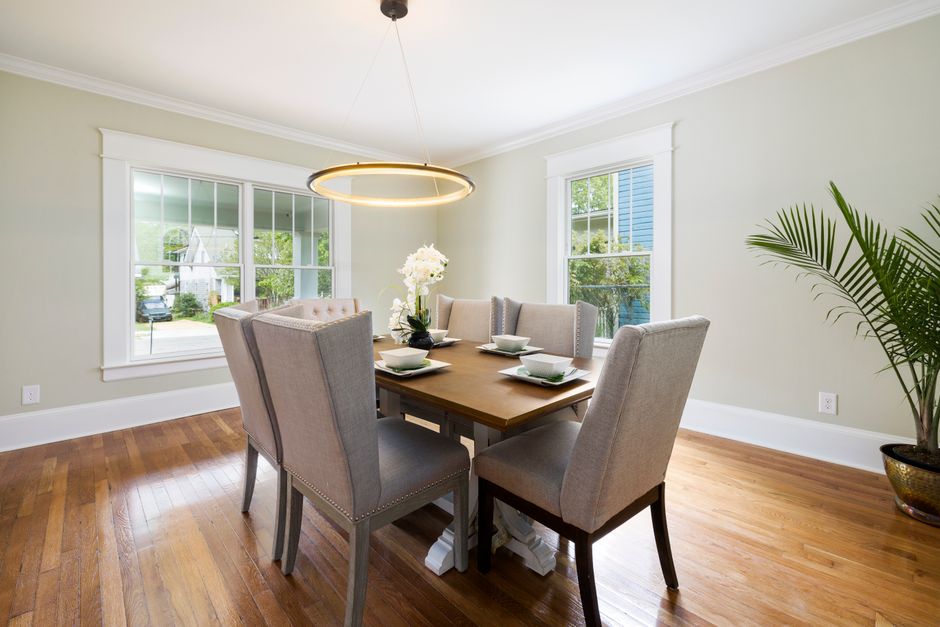
Choosing a dining table color that works with your floors is more than picking a pretty finish. It’s about understanding your room’s scale, circulation needs, and the emotional warmth that different wood tones and shapes impart. From the leg profile that ensures no scraped knees to the interplay of materials that invites touch, thoughtful design turns a dining table into a welcoming centerpiece—not a showroom prop.
Keep these points top of mind:
- Measure your space thoroughly before selecting table size and shape. Prioritize circulation and leg placement for comfort and safety. Match or blend wood tones by focusing on undertones and texture contrast. Choose materials that contribute tactile warmth alongside visual appeal. Use digital tools like Squarespace galleries to test ideas and Google technologies for site protection and monetization if you blog about your design journey.
With these dining table color tips in hand, your dining space will not only coordinate elegantly with your floors but become the true heart of your home.