Between you and me, most travellers get their sense of safety all wrong. They fret about terrorism in Colombia while happily hopping on a no-helmet scooter in Vietnam. Or they obsess over the remote chance of being kidnapped in some far-flung country when the real danger is a dodgy minibus on a twisty mountain road. If you want to travel smarter, not scared, you have to learn how to read base rate statistics travel right—without falling for sensational headlines or your own brain’s natural gotchas.
The Availability Heuristic and Misjudged Travel Fear
You know what’s funny? Our brains are wired to overestimate the likelihood of dramatic, vivid events. It has a name: the availability heuristic. Ever notice how a terror attack makes international news, gets ten thousand shares on Facebook, while a fatal road crash in the same country barely makes a local mention? That skews your perception.
Ask yourself this: When was the last time you worried about drowning or a road accident more than the threat of terrorism? Most wouldn’t. Yet those are the real killers for travellers, not airport shootings.
Don’t Panic on the Headlines — Trust the Data
This is where Our World in Data steps in. This no-nonsense resource summarizes worldwide numbers on causes of death, accident rates, and more. You can track travel-relevant stats like road traffic fatalities, altitude sickness incidents, and alcohol-related accidents by country or region.
Once you start peeling back the headlines and look at base rate stats properly, your risk assessment becomes clearer—less guesswork, fewer fears based on lurid stories.
Road Traffic Accidents — The Real Travel Killer
Taking a wild stab, I’ll bet road traffic accidents kill more travellers than you can count. During my time booking group tours in places like Turkmenistan and Papua New Guinea, my WhatsApp chats with clients often reference staying alert on local roads—not worrying about terrorists.
Here’s the kicker: The likelihood of a road traffic fatality depends a lot on the country’s road safety rating, vehicle standards, and your behaviour.
Country Road Traffic Deaths per 100,000 Common Risk Factors Thailand 32.7 Unsafe scooters, speeding, nightlife alcohol UK 2.8 Strict vehicle regulations, helmet laws Papua New Guinea 17.1 Poor road infrastructure, remote locationsMost Go to this website travel insurance policies, like HeyMondo travel insurance and SafetyWing digital nomad insurance, cover accidents—but this doesn’t mean reckless behaviour is covered or sensible.
Alcohol, Drowning, and Why You Shouldn't Rush That Altitude Ascent
Look, drowning and alcohol-related incidents are travel’s stealthy troublemakers. I’ve seen too many stories circle my tour groups’ WhatsApp chats about idiots slipping off waterfalls or swimming in currents after one too many. Then there’s altitude sickness—rush it, and your holiday could turn into a clinic visit or worse.
If you’re heading up Everest like I did, listen: head slow, hydrate, and plan acclimatisation days properly. The same applies if you’re climbing Kilimanjaro or hiking in Peru. Your base rate stats won’t lie—altitude sickness is a genuine threat, not media hype.
How to Research Travel Safety Like a Pro
So how do you crack travel safety research free from bias and nonsense? Here's my travel safety checklist contrarian take:
Start with raw data sources: Our World in Data, WHO travel health stats, and local government reports. Ignore scare headlines: They exist to drive clicks, not inform decisions. Calculate real odds: Base rate statistics travel helps you figure out likelihoods. For example, you’re more likely to have a traffic accident than be victim to terrorism. Use insurance and tools thoughtfully: I trust HeyMondo for flexible travel insurance and SafetyWing for long-term digital nomad coverage when I’m bashing around Asia or Africa. Both have transparent policies and fewer hidden exclusions. Plan with safety in mind, not just fun: Take your setups seriously—whether it’s a $699 blog setup fee for your trip website or booking quality local tours.Practical Tip: Know the Real Risks, Prepare Accordingly
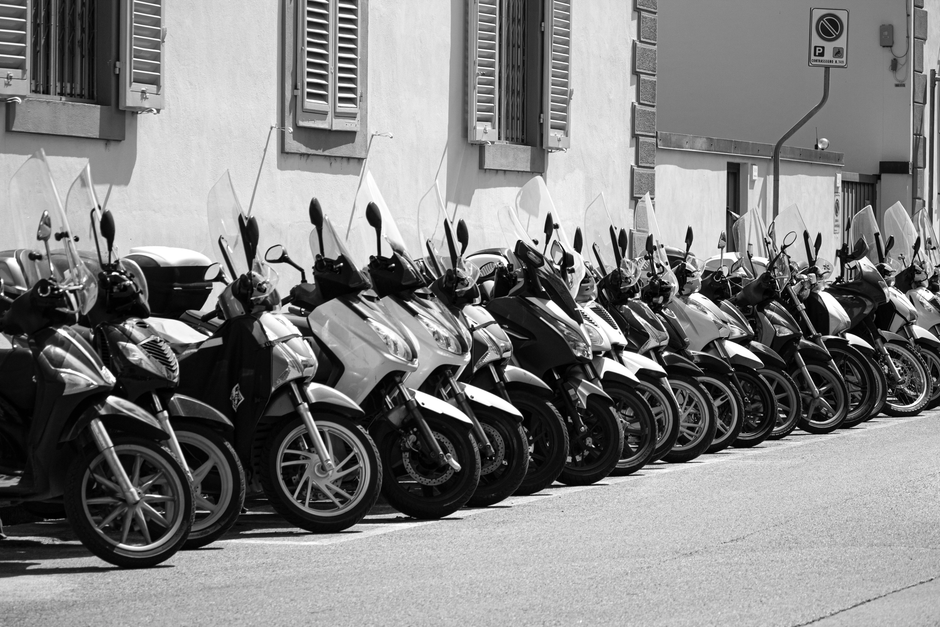
For instance, if a place has high road traffic death rates but low violent crime, don’t get caught too distracted by horror stories. Instead, invest in a decent helmet, avoid speeding taxis and drunk drivers, and don’t ride scooters after a night of heavy drinks.
Final Thoughts: Stop Letting Fear Dictate Your Travel
Ask yourself—are you letting vivid news stories sell you an exaggerated risk? Or are your decisions based on cold, hard data? Most travel fears come from stories you've heard, not facts you’ve checked.
Stick to base rate statistics travel, check your insurance properly (try HeyMondo or SafetyWing), and remember the $699 blog setup fee I once paid to document every step of my travels. Travel safety isn’t just about avoiding headline horrors—it’s about commonsense backed by facts.
So pack your bags. Not your knee-jerk fears.
— Irish guy who’s been in one too many sketchy minibuses
