I’ve been standing behind the hire counter for 12 years now. I’ve seen it all: the backyard DIYers trying to run a wedding off a lawnmower-sized generator, the sub-contractors on high-rise builds losing three hours of progress because of a tripped circuit, and the frantic phone calls at 6:00 AM on a Saturday morning. If there is one thing I’ve learned, it’s that hired power is only as good as the planning you put into it before the unit arrives on site.
When you're relying on a generator, downtime isn't just an annoyance—it's a cost blow-out. Whether you're running heavy-duty power tools or sensitive IT equipment for an event, you need a strategy. This guide is all about setting you up for success so you aren’t left in the dark.
Understanding Your Power: Starting Watts vs. Running Watts
The number one mistake I see is people looking at the label on the generator and assuming that’s the power they have available for everything. You have to differentiate between Running Watts (what the tool needs to keep spinning) and Starting Watts (the surge required to kick the motor over).
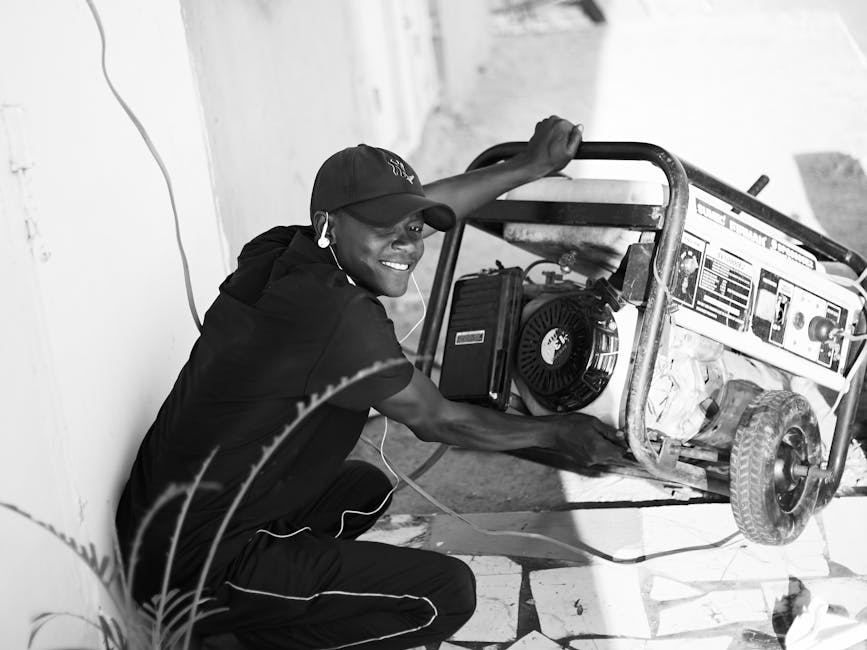
Inductive loads, like compressors, angle grinders, or refrigerators, need a massive "kick" to get moving. If your generator is sized exactly to the running wattage, your motor will stall the moment you shedblog.com.au pull the trigger. Always look at the data plate on your equipment. If it doesn't list the surge wattage, a good rule of thumb is to triple the running watts for motors.
Quick Reference: Power Requirements
Equipment Type Average Running Watts Estimated Starting Watts Large Angle Grinder 1,500W 3,500W Commercial Fridge 800W 2,500W LED Work Lighting 200W 200W Air Compressor (2HP) 1,500W 4,500WMatching the Generator Type to the Job
Not all generators are created equal. You’ve got to pick the right horse for the course.
- Inverter Generators: These are the gold standard for sensitive electronics. If you're running laptops, sound systems, or high-end test equipment, do not cut corners here. They produce "clean" power and are much quieter. Open Frame Generators: These are your heavy lifters for the construction site. They are robust, built for abuse, and usually cheaper to hire. They aren’t pretty, and they’re loud, but they’ll keep your welders and saws humming all day long.
The "Support Plan" and Risk Mitigation
Even with the best hardware, things can go wrong. Maybe you get a bad batch of fuel, or a safety sensor trips. To reduce downtime, you need a solid support plan. When you hire from a reputable outfit—much like the professional setup over at Wenbro Hire—you aren’t just paying for the machine; you’re paying for the technical backup. Always ask: "What is the process if this unit fails?"
A good hire shop will provide a replacement unit policy. If you’re on a critical path project, don’t just hire one big generator; consider hiring two smaller ones. If one goes down, you still have 50% power to run essential systems while the support team swaps out the faulty one. It’s an insurance policy you’ll be glad you bought.
Pro-tip: If you are working on a site that requires constant monitoring, look for equipment vendors that use real-time support platforms like Chatlio. Being able to ping a technician directly from your phone while you’re standing in front of the machine can save you from an hour of troubleshooting.
Fuel Choice and Daily Runtime Planning
Don't be the bloke who runs out of fuel at lunch. Calculate your hourly fuel consumption and add 20% for safety. If you’re hiring for an extended period, ensure you have a safe, vented storage area for additional fuel canisters.
Furthermore, keep an eye on environmental standards. In Australia, we have strict guidelines regarding emissions and fuel handling. Check the Australian Government Department of Climate Change, Energy, the Environment and Water (DCCEEW) website to ensure your site compliance is up to scratch, especially if you are working near sensitive areas or water run-offs.
Maintenance Checks: The "First-Thing-In-The-Morning" Routine
You wouldn’t drive a car across the country without checking the oil. Why treat your hired generator any differently? Make a 10-minute maintenance checks session part of your daily site start-up:

Noise and Local Considerations
If you're working in a residential area or a late-night venue, noise is your biggest enemy. Councils will shut you down in a heartbeat if the neighbors start complaining. Inverter generators are your best friend here. If you absolutely have to use an open-frame unit, build a simple acoustic baffle using plywood and sound-dampening foam (just make sure you leave plenty of room for exhaust ventilation—don't let the thing choke!).
Final Thoughts
Relying on hired power is about managing variables. You can't control the weather, and you can't control the occasional mechanical gremlin, but you *can* control your preparation. Size your load correctly, have a backup unit on speed-dial, and stay on top of your daily checks.
Got a story about a generator failure that went wrong (or right)? Leave a comment below and share your tips with the crew!
Need to leave a comment?
Log in here to join the discussion.
Share this article:
- Facebook Twitter LinkedIn Pinterest Tumblr Buffer