There’s something undeniably magical about vineyard trips — the lush rolling landscapes, the scent of ripening grapes, the clink of tasting glasses, and the tantalizing local flavors on your plate. But all too often, visitors end their days feeling rushed and overwhelmed, trying to squeeze too many tastings and meals into tight schedules without breathing space.
As a 12-year wine country trip planner and former tasting room host, I’ve seen this problem firsthand — and I firmly believe the key to memorable wine country vacations lies in building flexible itineraries that honor pace, savor moments, and build in the right amount of downtime. Let’s unpack how to enjoy these extraordinary destinations https://dlf-ne.org/how-to-use-your-phone-to-plan-a-wine-country-day-on-the-fly/ without feeling like you’re racing the clock, all while featuring some must-know resources like Texas Wine Lover app, MRQ, and insights from the World Tourism Organization (UN Tourism).
Why Feeling Rushed Happens — And How You Can Flip the Script
One of the biggest causes of stress on wine country trips is trying to check off too many stops and meals in a single day without factoring in time between activities — especially drive time. This can turn what should be a relaxing, sensory experience into a frantic checklist.
- Underestimating drive time: Small rural roads, scenic byways, or unexpected traffic can add minutes or even hours. Booking too many reservations: If you’ve got every tasting and dinner tied to strict reservation slots, delays cascade quickly. Overlooking downtime: Failing to build in slow mornings or open blocks for spontaneous moments kills flexibility.
By focusing on build in drive time, limit reservations, and choose fewer stops, you’ll keep your wine country outing feel more like a genuine getaway and less like a relentless relay race.
Step 1: Build in Drive Time — It’s Not Just Transit, It’s Part of the Experience
Great wine regions, from Texas Hill Country to Napa Valley, offer more than wineries — the drive itself is often part of the charm. UN Tourism recognizes that multi-activity tourism, which mixes culture, nature, and local gastronomy, adds to visitor satisfaction and sustainability.
When planning your day:
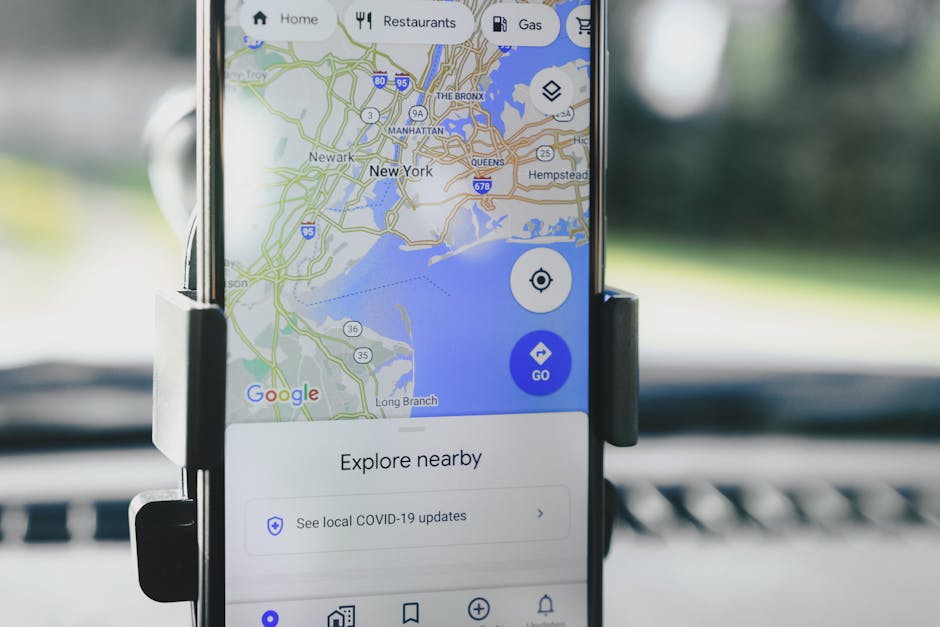
- Use realistic estimates: Google Maps or Waze provide baseline times, but add 15-30 minutes buffer per segment for unplanned stops or slower rural speeds. Plan scenic route breaks: Choose routes that include a short hike, a scenic overlook, or a charming town visit. Instead of pushing through, embrace the opportunity to stretch legs and take photos. Use apps like Texas Wine Lover: The app includes winery locations and local dining options to help you cluster stops and reduce unnecessary backtracking.
Real-Life Tip:
When I planned a weekend in the Texas Hill Country, I blocked out the morning for a hike at Enchanted Rock State Natural Area before a noon winery visit a 20-minute drive away. That downtime in nature made the afternoon tastings feel fresher and more rewarding.
Step 2: Limit Reservations — Choose Where You Need Them Most
Reservations are a double-edged sword: on one side, they secure your spot, especially at popular wineries and restaurants; on the other, they can reduce flexibility.
To avoid the crammed, rigid feeling, here’s what to prioritize:
Reserve dinners and high-demand tastings: Evening meals and specialty wine experiences merit booking in advance because they often have limited seating. Leave some winery tastings as walk-ins: Many smaller or less-busy wineries welcome walk-ins or have flexible drop-in hours. Schedule gaps between reservations: Aim for at least 1.5 to 2 hours between reservations, factoring in drive time and potential delays.MRQ, a leading booking platform, offers flexible cancellation and modification options, which is a game-changer if your plans evolve as you explore.
How to Manage Your Reservation Notes
I always keep a running note whether a stop requires a reservation or is walk-in friendly — this way, I avoid last-minute scrambles, or worse, missing a favorite spot because I didn’t book in time. Apps and booking tools like those on MRQ streamline managing these reservations seamlessly.
Step 3: Choose Fewer Stops — Quality Over Quantity
It's tempting to pack your itinerary with as many tastings and meals as possible. However, less truly is more — fewer stops means you can savor both wine and company, plus the peaceful atmosphere that makes wine country so special.
Here’s why limiting stops matters:
- Enhances enjoyment: Wine tastings are meant to be savored, not rushed. Lingering over an excellent pinot noir or visiting with a winemaker is worth dedicating time. Reduces palate fatigue: Your taste buds need moments to rest to fully appreciate each wine. Opens room for other activities: Adds time for culinary experiences, outdoor recreation, and exploring quaint towns.
Sample Itinerary Snippet
Time Activity Notes 9:00 AM – 11:00 AM Breakfast & Slow Morning Walk in Downtown Fredericksburg Unhurried start, local pastries + coffee 11:30 AM – 1:00 PM Winery #1 Tasting (Walk-in Friendly) Enjoy 4-5 wines; no reservation 1:15 PM – 2:15 PM Lunch at Local Farm-to-Table Restaurant Reservation recommended 2:30 PM – 4:00 PM Winery #2 Special Reserve Tasting Reservation booked via MRQ.com 4:00 PM – 5:00 PM Culinary or Outdoor Experience (e.g. olive oil tasting, nature walk) Brings diversity and relaxationIncorporate Local Food and Outdoor Recreation into Your Wine Holidays
Wine country trips shouldn’t revolve solely around wine tastings — the richest experiences combine local food and culinary tourism with outdoor activities.
From Texas Hill Country’s fresh farm-to-table cafés to the Napa Valley’s gourmet food halls, indulging in regional cuisine deepens your connection to the place.
Similarly, walk, hike, or cycle in the beautifully maintained outdoor spaces that often neighbor wineries. This movement not only balances your visits but helps keep your energy up for tastings and meals.
One little-known perk highlighted by the World Tourism Organization is the rise in browser-first digital entertainment access — nowadays, your phone, tablet, or desktop can link you instantly with local guides, vineyard histories, culinary pairings, or immersive virtual experiences right in the tasting room or restaurant, allowing you to enrich your visit at your own pace.
Using Technology to Enhance Your Wine Country Enjoyment
The Texas Wine Lover app is indispensable for discovery, planning, and on-the-go adjustments. With interactive maps, winery hours, regional food recommendations, and events calendars, it helps ensure you don’t overbook and keeps your choices realistic.
Similarly, MRQ offers a seamless reservation platform across wineries and restaurants. You can quickly assess availability and select flexible seats that fit your preferred pace.
Pro tip: use your mobile browser to access browser-first digital entertainment offered by some wineries, such as audio guides or augmented reality tours — these allow you to pause, rewind, or dive deeper into the experience without pressure.
Summary: Relaxed Wine Country Travel in Four Keys
Build in drive time: Don’t rush between stops — factor in buffer time and enjoy the journey. Limit reservations: Prioritize the essential bookings and keep some flexibility for walk-ins. Choose fewer stops: Quality tastings over quantity enhance your palate and overall joy. Blend local food and outdoor recreation: Integrate diverse slow tourism experiences for a well-rounded getaway.Remember, vineyard holidays are about indulging your senses, relaxing your mind, and soaking up a region’s unique character — https://highstylife.com/maximize-your-travel-downtime-without-downloading-apps-smart-ideas-for-wine-region-explorers/ not racing to hit the most stops. Use the technology tools and thoughtful pacing strategies shared here, and your next wine country trip will be remembered for all the right reasons.

Happy sipping and savoring!
```