Between you and me, if you’re basing your travel plans solely on government travel advisories, you’re probably a little too cautious—or just plain misinformed. I’ve been on sketchy minibuses in Vietnam, dodged questionable dive shops in the Philippines, and even combated altitude sickness in Peru, all without breaking a sweat over what the travel warnings said. Yet, these government-issued alerts often focus on the kind of political instability that, in truth, is far less likely to mess up your holiday than the roadside death trap you’re about to board.
The Availability Heuristic: Why Your Brain Loves Overblown Travel Fears
You know what's funny? Our brains have a terrible time gauging what’s genuinely risky. Psychologists call this the availability heuristic: basically, we overestimate dangers that make the news in lurid detail, while ignoring the quiet killers. Political instability, terrorism, and kidnappings get huge headlines—which means they pop into your head first when you think “Is it safe to travel there?”
Meanwhile, everyday dangers like road traffic accidents, alcohol-related deaths, or drowning barely get a whisper, despite these being far more common. Should that make you rethink your next trip to Colombia or Thailand? Absolutely.
Ask yourself this:
- Do you fret more about terrorist attacks or about wearing a seatbelt? Have you ever ignored crossing a dodgy bridge because the government advised political unrest? Do you know which causes the highest number of traveller fatalities globally?
Most travellers get it backwards. And look, I get it—governments want to play it safe, but their warnings often miss the mark.
Political Instability Travel Warnings: Overstated and Overused
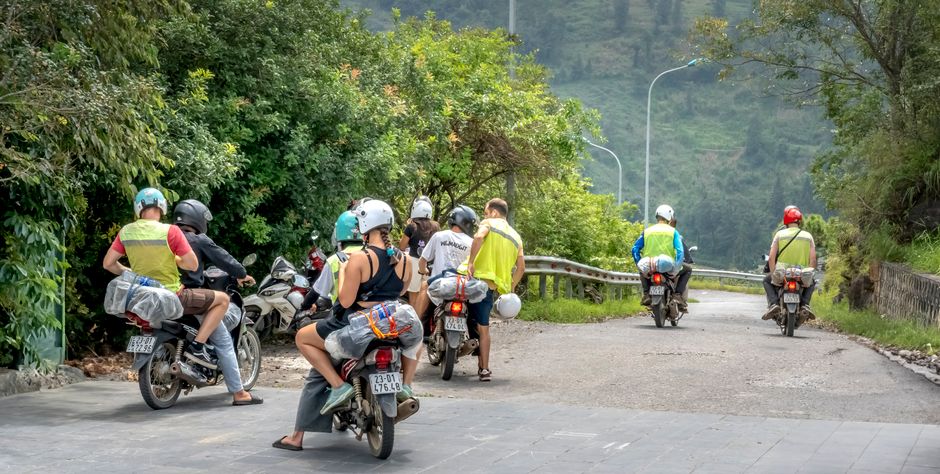
Governments have a neat habit of lumping entire countries into a “high risk” bucket because of political troubles in specific regions. But here’s the rub: political instability rarely affects the areas tourists actually visit. Take Colombia for example. I’ve run group tours there via my company’s WhatsApp chat Get more info (hello, Turkmenistan and Papua New Guinea adventures!), and while some spots have rough patches, your holiday in Medellín or Cartagena isn’t a war zone.
Even more, companies like MrQ casino and other global brands operate safely in these “overstated risk” areas, proving the warnings don’t always reflect reality.
Government Travel Advisories Accuracy: What Are They Really Telling You?
The blunt truth is that many travel advisories use a one-size-fits-all model. Yes, parts of some countries might be sketchy, but entire nations? Rarely. When I left home broke on a one-way ticket to Thailand, I didn’t have fancy calculations—just street smarts and a bloody cheek. These advisories often fail to mention:
- Which regions truly have unstable politics. Where tourists have zero realistic chance of encountering violence. Practical tips to avoid hot spots and stay safe on the ground.
If you’re paying a $699 blog setup fee to build a travel website (like I did back in the day), don’t just parrot these government warnings—dig deeper. Learn the real story from locals and those who’ve been there.
The Real Danger: Road Traffic Accidents
Here’s the kicker: the most common cause of death for travellers worldwide isn’t terrorism, kidnapping, or even altitude sickness. It’s road traffic accidents. Period.
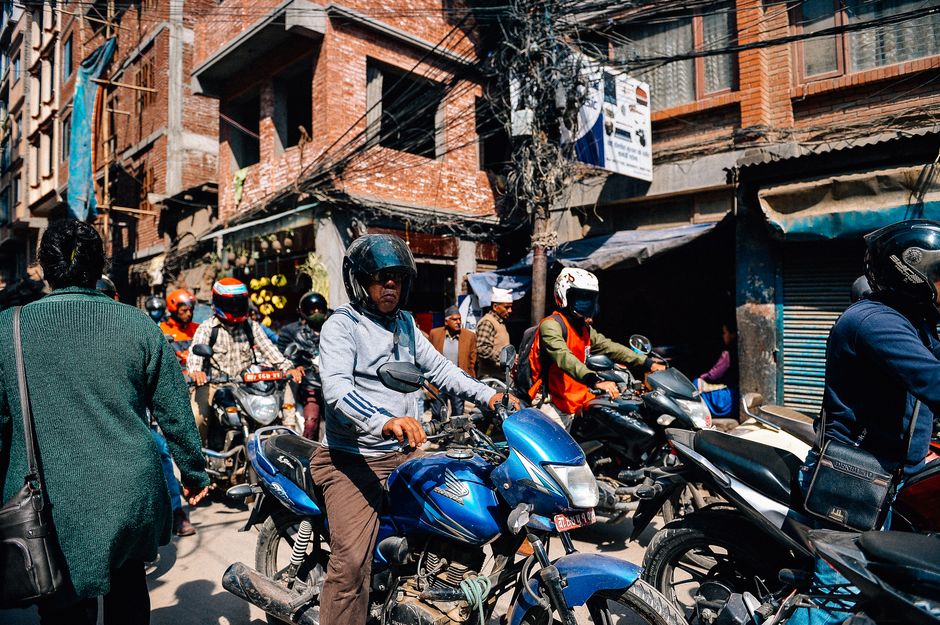
You can swear allegiance to a travel insurance company like HeyMondo or SafetyWing—both excellent for digital nomads and travellers—but no plan can completely safeguard you if you don’t buckle up, wear a helmet, or refuse to hitch a ride on a death trap of a minibus.
Why do we overlook road risks?
- No political drama in crashes = less media coverage. Slow, boring accidents don’t sell headlines like explosions. It's easier to imagine terrorism than a drunk scooter driver.
Ever notice how people who freak out about getting kidnapped in Colombia hop straight on a rented scooter in Vietnam without a helmet? That’s classic availability heuristic with a side of foolishness.
Drowning, Alcohol-Related Accidents, and Altitude Sickness: The Hidden Travel Killers
Besides road traffic, a surprising number of traveller injuries and fatalities stem from drowning or alcohol-related incidents. Tourists get intoxicated in paradise, take risky swims or boat rides, and pay the price. It’s not glamorous, but it’s real.
Altitude sickness is another silent menace, especially if you’re rushing your itinerary like a lunatic trying to tick off Everest Base Camp, Cusco, and La Paz in the same bloody week. I’ve did all three, and trust me: puking your guts out at 14,000 feet is not the souvenir you want.
Both these risks get shoved down the travel advisory priority list, despite causing far more trouble than “political unrest” in most cases.
How to Travel Smarter, Not Scared
So what’s the takeaway? Don’t get paralysed by overstated fears about political instability travel warnings. Instead:
Do your research. Use firsthand accounts, recent traveller forums, and trusted local sources—not just government headlines. Get the right insurance. Whether it’s HeyMondo travel insurance for your holiday or SafetyWing digital nomad insurance for longer stays, make sure your plan covers the real risks: medical emergencies, road accidents, evacuation from altitude sickness. Pay attention to practical safety. Wear helmets, avoid driving at night, keep alcohol in check, and pace your altitude gain. And for God’s sake, don’t rely on travel brochures for safety tips—they have a vested interest in keeping you optimistic. Ignore the hysteria. Governments want to avoid responsibility, but many warnings are designed to cover their ass rather than help you make a nuanced decision.If you’re serious about travel, consider that building your trip like a business—invest in a solid $699 blog setup fee, equip yourself with honest info, much like I did turning my travel blog into a $1.5 million enterprise, and take a calculated risk that actually fits the reality on the ground.
Final Words from a Grizzled Traveller
Look, I’m not saying political instability doesn’t exist. Hell, I’ve used my tour group WhatsApp chats to guide people safely through places that might look dicey on paper. But if you let it terrify you into cancelling your flight more than packing a decent first aid kit and insurance, you’re letting a skewed narrative rob you of adventure.
Don’t mistake the flashy for the frequent. Road traffic accidents, altitude sickness, drowning—you won’t read about these in flashy headlines, but they’re the reality most travellers face. Don’t be that tourist worrying about terrorists and ignoring the minibus packed like a sardine with barely working brakes.
Travel smarter. Question the warnings. And as always, keep your wits about you—you’re not as fragile as these govt advisories want you to think.
```